Process
From interest to investment: who to talk to, and in what order
A hotel project in Montenegro does not run through a single office. Policy, land and planning sit with different authorities, so the investors who move fastest open several conversations at once and know early which questions each can answer.
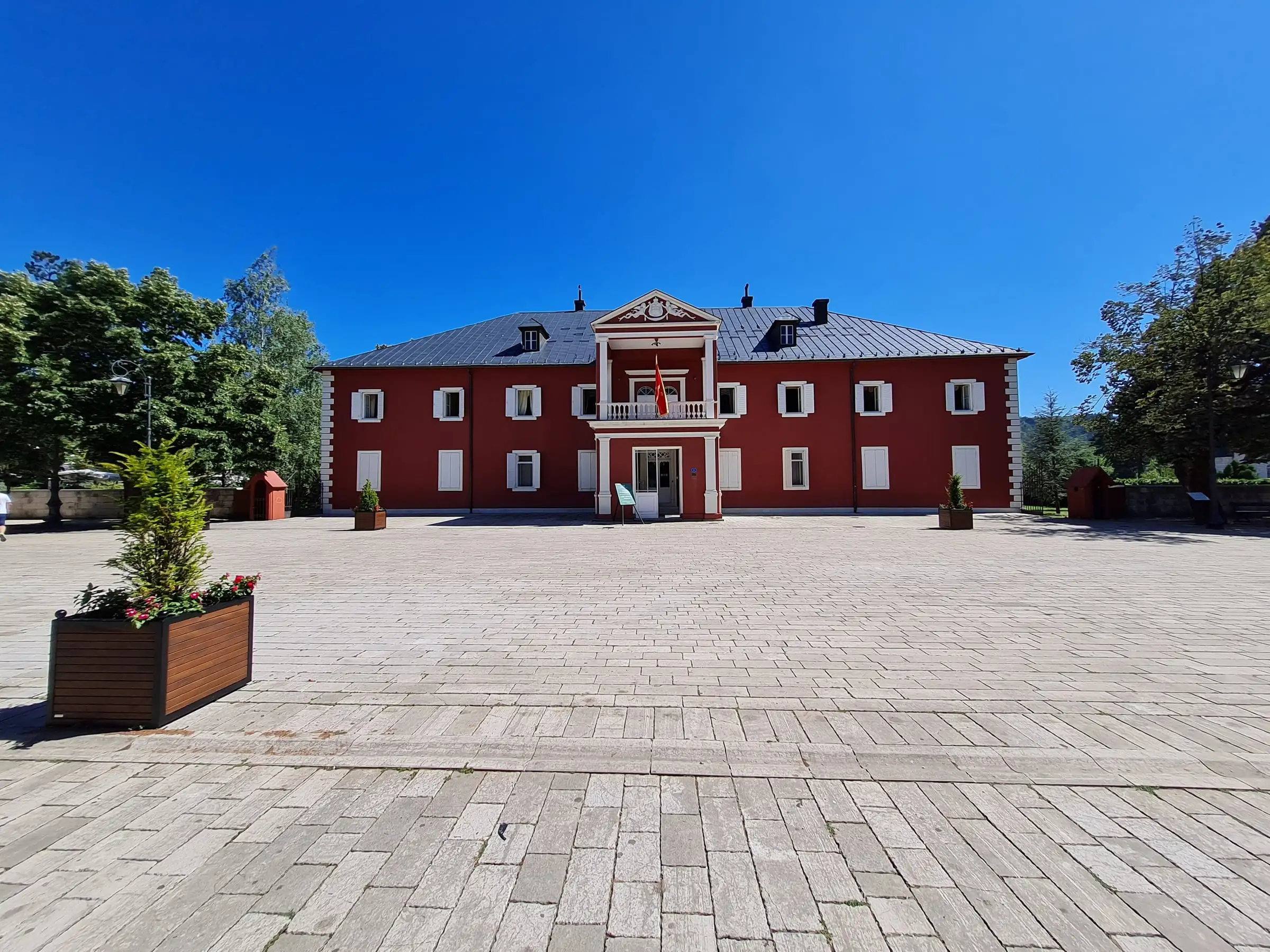
Cetinje
Three counterparts, in parallel
The guide's advice to investors is to engage three bodies at the same time rather than one after another. Each holds part of the answer, and none can give a complete one alone.
- The Ministry of Tourism sets sector policy, handles licensing and runs the Tourism Development Zone regime. Talk to it about the product, the star category and whether a zone is realistic.
- The Montenegrin Investment Agency (MIA) offers pre-investment advice, introductions to the relevant authorities, guidance on incentive eligibility and aftercare once a project is running. It also approves PPP proposals and keeps the register of approved PPP projects, so it is the first stop for any partnership structure.
- The municipality holds the planning documents and decides on land status, utilities and local permits. It is usually the best source on what can actually be built on a plot, and on how long local approvals take.
Where state land or a concession is involved, bring the responsible line ministry in early, before a site is chosen rather than after. Depending on the site, that may be the ministry responsible for state property and spatial planning, the Ministry of Public Works for sites next to the state ski resorts, or the authority for the Maritime Domain on the coast. The ministry responsible for the economy runs the annual direct investment incentive programme.
Setting up and becoming operational
Foreign investors receive the same treatment as domestic ones under the Law on Foreign Investments, can repatriate profits and capital freely, and face no exchange controls; the euro is the national currency. Most use a limited liability company, which is simple to set up and has a low minimum capital. A joint-stock company suits larger projects that need outside capital, and branch or representative offices are available where a local structure is not needed.
Registration goes through a single window and typically takes 5–7 working days for an LLC once the documents are complete. Becoming operational takes longer: opening a bank account, registering beneficial owners, tax and employment registrations, and any licences specific to hospitality all follow. A local company is also an eligibility condition for several instruments, so set it up as soon as a project looks likely to proceed. See legal and company setup.
How public land is made available
Most of the open sites are owned by the state or a municipality, and they reach investors through a small number of legal routes. The choice depends on the land, the project and whether it serves a public purpose.
- Long-term lease is the default. The public owner keeps title; the investor builds and operates for the lease term. Most of the flagship coastal projects were built this way. Sale is possible only where the law allows it.
- Public-private partnership is open only where the project includes a genuine public-interest component: public infrastructure, works or services. The MIA must approve the proposal.
- Concession applies only where the law requires one, for example for use of the Maritime Domain or for commercial berths. It covers that use, not the hotel land.
- Master developer or development agreement structures can organise phasing and shared infrastructure on large sites, but they do not by themselves create a right to the land.
The details are on the lease, PPP and concessions page.
The Tourism Development Zone procedure
In the northern and central regions, outside the Capital City, an investor can start the process for state land itself. The steps run in this order:
- The investor's company submits a formal initiative with a feasibility study
- The Ministry of Tourism forms a commission to assess it
- The Government takes the final decision
- Zone management goes to a company that meets the conditions in the feasibility study
The land is granted on a long-term lease. The thresholds (at least one hectare of state land, an investment of at least €3 million and at least 50 units of four stars or more) are set out on the Tourism Development Zones page. The guide gives no target time for the commission or the Government decision, so ask the Ministry how long recent initiatives have taken.
Typical sequencing
Every project differs, and several of these steps overlap, but the order below reflects how decisions depend on each other.
- Screen. Choose a region and a product, check which instruments the project could meet, and shortlist sites.
- Open the three conversations. Meet the Ministry, the MIA and the municipality together or in quick succession; ask for the planning documents and for confirmation of who holds the right of disposal.
- Diligence the site. Title, planning, environment, heritage, utilities and access, using the due-diligence checklist.
- Set up the company, so that it can submit an initiative, sign a lease or apply for incentives.
- Secure the land right. Negotiate the lease, submit a PPP proposal or a zone initiative, and apply for any concession needed for the sea front.
- Design and permit. Urban-technical conditions, environmental assessment where required, and the building permit.
- Build, categorise and open. Obtain the star category and operating licence, then claim the tax incentives that depend on them.
What the state will and will not confirm
The guide is clear that listing a site is not a promise. Inclusion in the portfolio does not confirm title, planning readiness, permitting status, commercial feasibility or availability for award, and investors are expected to carry out their own legal, technical, tax and environmental due diligence before relying on any location or incentive. Implementation can involve central and municipal authorities at once, especially for spatial planning, title checks, environmental assessment, heritage protection, utility connections and construction permits.
What you can expect from the public side is the planning documentation in force, the published rules of each instrument, introductions and coordination through the MIA, and a decision through the procedure the law sets. What you should not rely on is anything short of that decision: a brochure, a fact sheet or a meeting note. Where the guide itself describes a site in two different ways, as it does for some coastal parcels, ask the municipality to confirm the designation in writing. Incentive figures such as the property tax reductions are ceilings, not entitlements, until the authority that grants them says otherwise.
Want the three conversations run in parallel?
We collect the planning documents, parcel data and the right contacts at the Ministry of Tourism, the Montenegrin Investment Agency and the municipality, and run those conversations in parallel with you.
We reply within one business day. Prefer email? Write to hello@montenegroinvest.com.