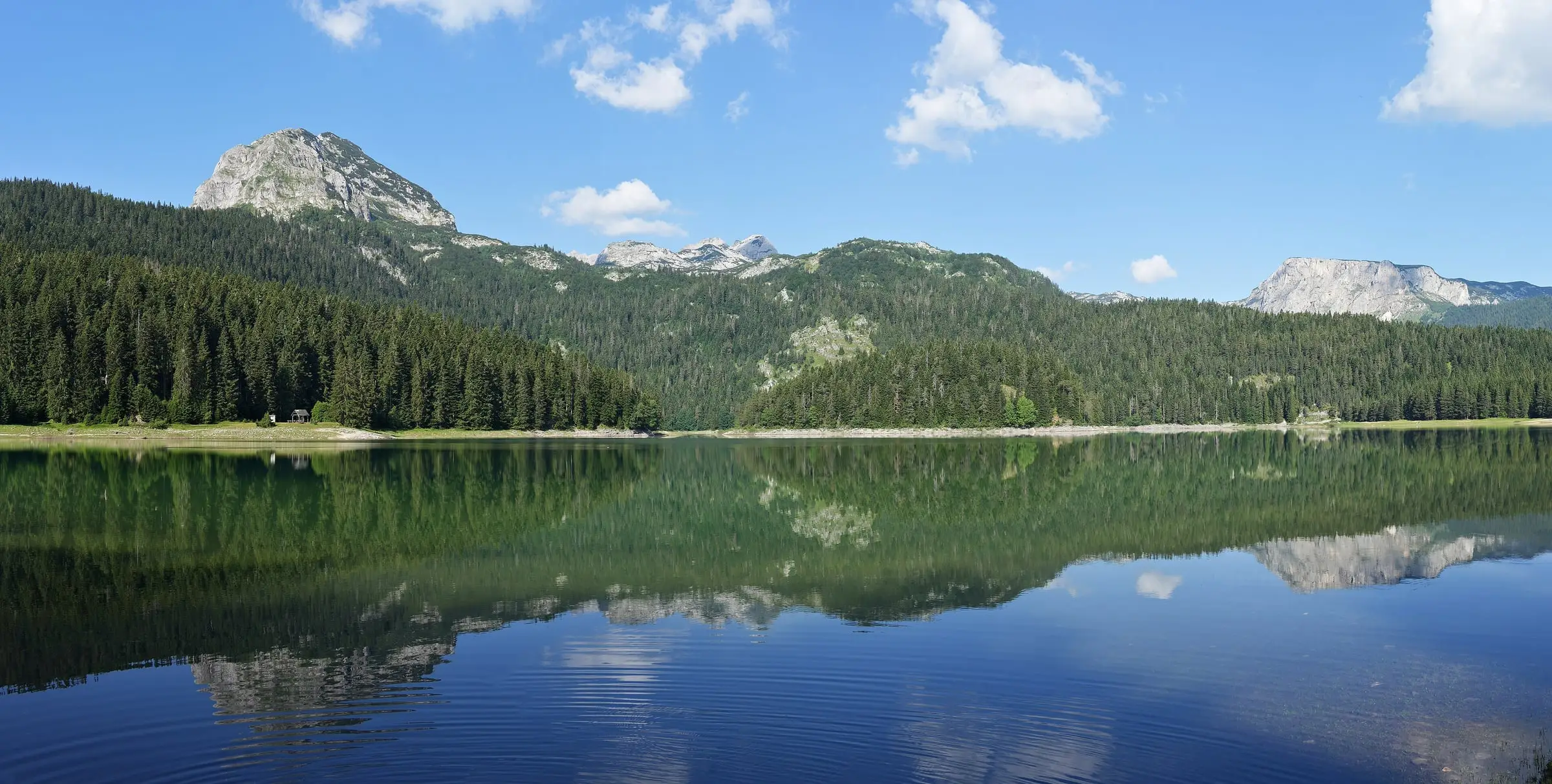
OPP-ZB-02 · Žabljak
Žabljak mountain hospitality cluster
NorthernMountainPlanning set
- Area
- 37,794 m²
- Altitude
- 1,456 m
- Beds
- 300
Instruments
An investor-initiated route to long-term use of state land in the north and centre of the country for larger, high-category accommodation projects.
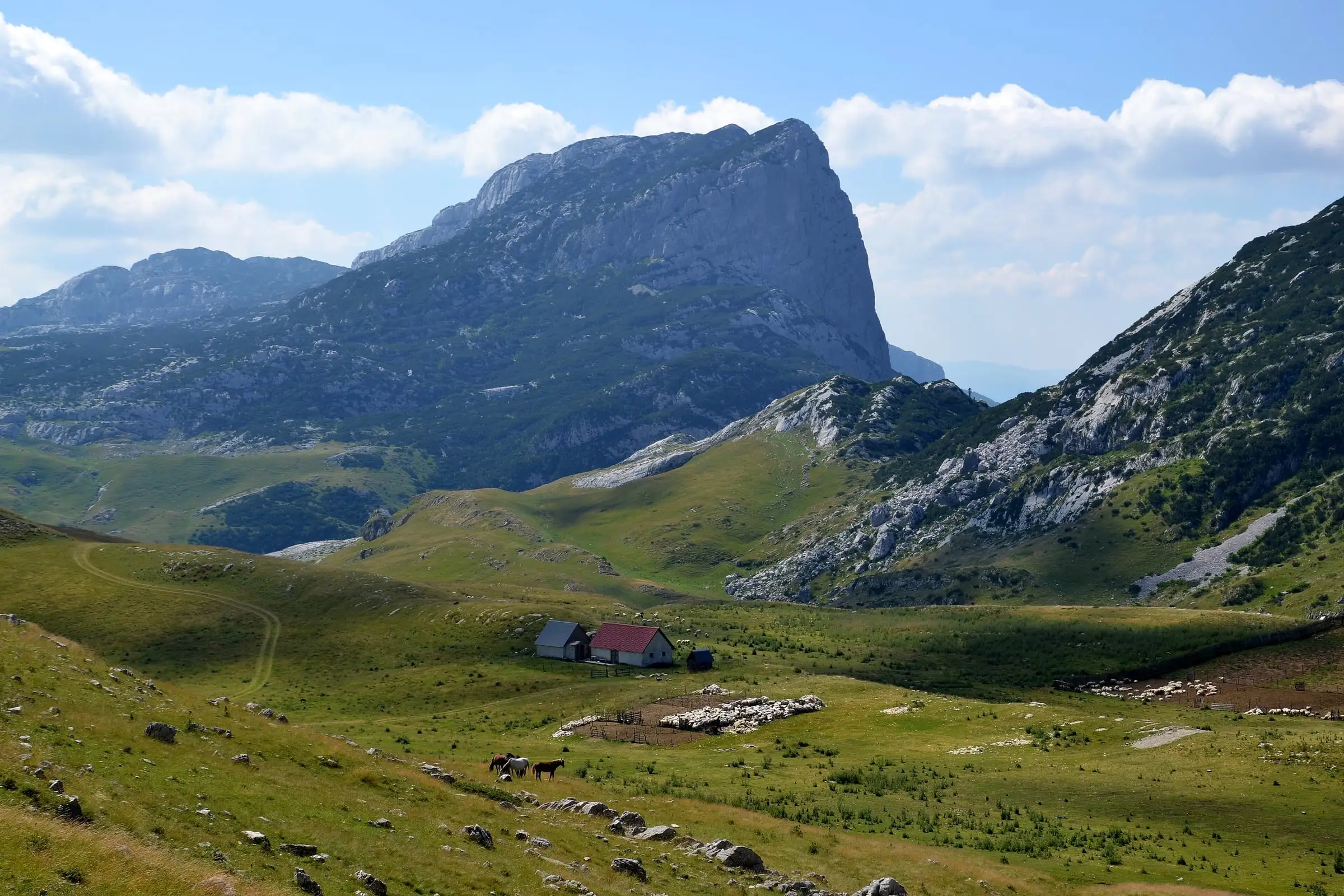
Durmitor National Park
| Rule | What the guide sets out |
|---|---|
| Land | State-owned land only |
| Minimum area | 1 hectare |
| Regions | Northern and central regions, excluding the Capital City |
| Minimum investment | €3 million |
| Minimum accommodation | 50 units of at least four-star category |
A Tourism Development Zone is built for a developer who already has a project in mind and wants long-term rights to state land away from the coast. It suits mid-sized hotel and resort schemes in the mountains, river valleys and inland towns: large enough to clear the €3 million and 50-unit thresholds, but often too remote or too early for a competitive tender. Because the investor starts the process, it rewards groups that have studied a specific parcel and can show a credible operator, a financing plan and a feasibility study that will stand up to a government commission.
Take a group that wants to build a four-star mountain lodge a little above the unit minimum on a state plot of a few hectares near one of the northern ski resorts. The land is state-owned, larger than 1 hectare, outside the Capital City, and the scheme passes the investment and unit tests, so the zone route is open. The group sets up a Montenegrin company, commissions a feasibility study and lodges a formal initiative with the Ministry of Tourism. If the commission and then the Government approve it, the land is granted on a long-term lease and the zone is managed by a company that meets the conditions set in the study.
Confirm early that the plot really is state-owned and free of claims, and that the municipality's plan allows tourism use at the density you need: a zone does not replace planning. Ask how long recent commission reviews have taken, what lease term and rent basis the Government will offer, and which commitments in your feasibility study become binding once the zone is granted. Check too what happens if the hotel is later categorised below four stars, since the category is one of the conditions the zone rests on.
A zone combines well with the other instruments. A four-star hotel inside one still benefits from the reduced VAT rate on rooms and food, and from a property tax reduction if the site lies in a priority tourist location. Because zones exist only in the northern and central regions, the condo-hotel threshold there is four stars rather than five, which gives the developer a route to sell some units once the hotel is trading. A zone is also, in effect, the investor-led version of a long-term state land lease.
This is a summary of the rules as the guide describes them, not tax or legal advice. Confirm current terms with the Ministry of Tourism, the Montenegrin Investment Agency or a local adviser before relying on them.
Open opportunities where this instrument is likely to be relevant. Eligibility depends on the final project, so treat these as starting points.
OPP-ZB-02 · Žabljak
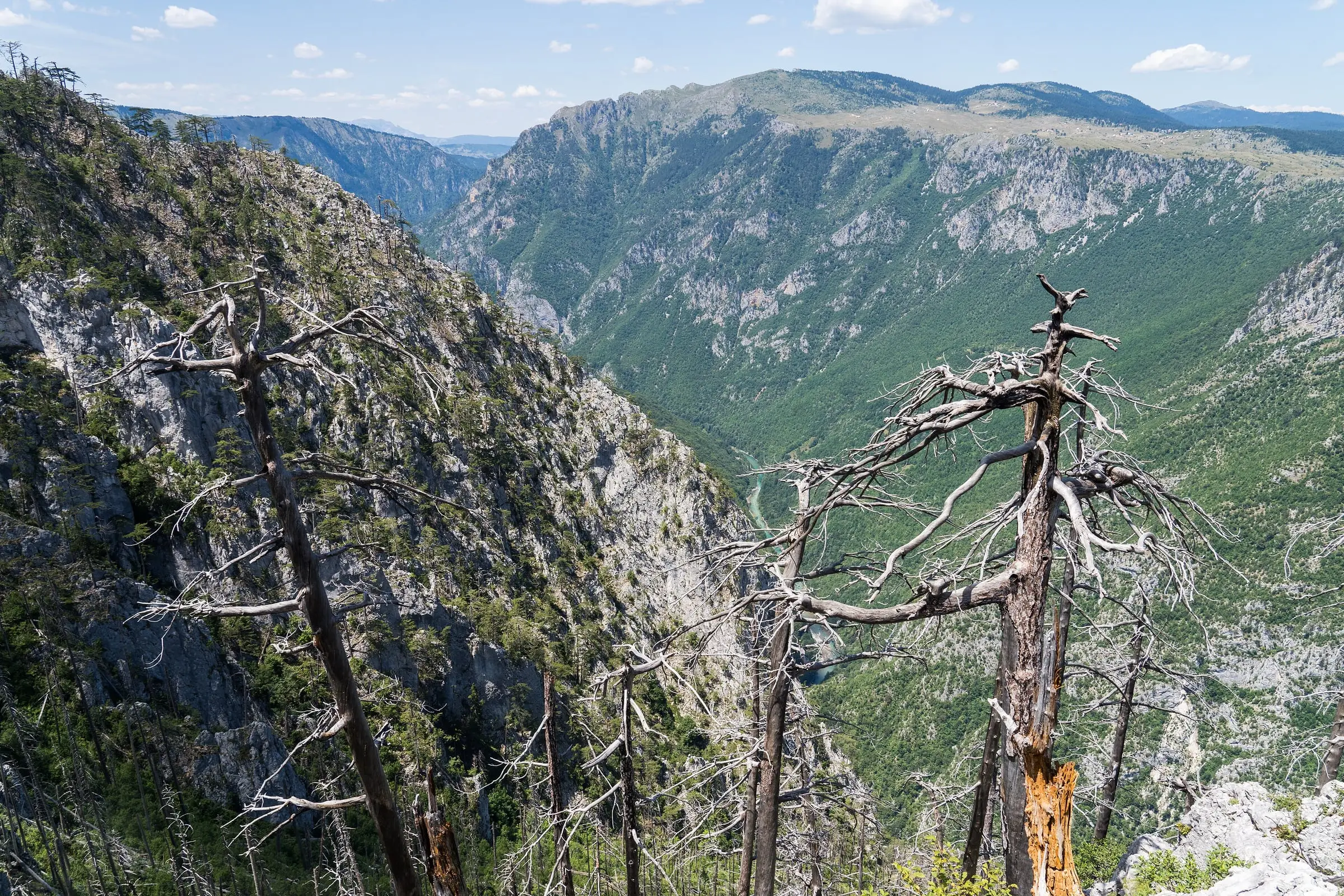
OPP-MK-02 · Mojkovac
We collect the planning documents, parcel data and the right contacts at the Ministry of Tourism, the Montenegrin Investment Agency and the municipality, and run those conversations in parallel with you.
We reply within one business day. Prefer email? Write to hello@montenegroinvest.com.