Why Montenegro · Legal
Equal treatment for foreign owners, and fast company registration
Montenegro's investment law puts foreign and local investors on the same footing and places no controls on moving money in or out. Registering a company is quick. Getting a hotel project to the point where it can build and trade takes longer, and depends on checks this page sets out.
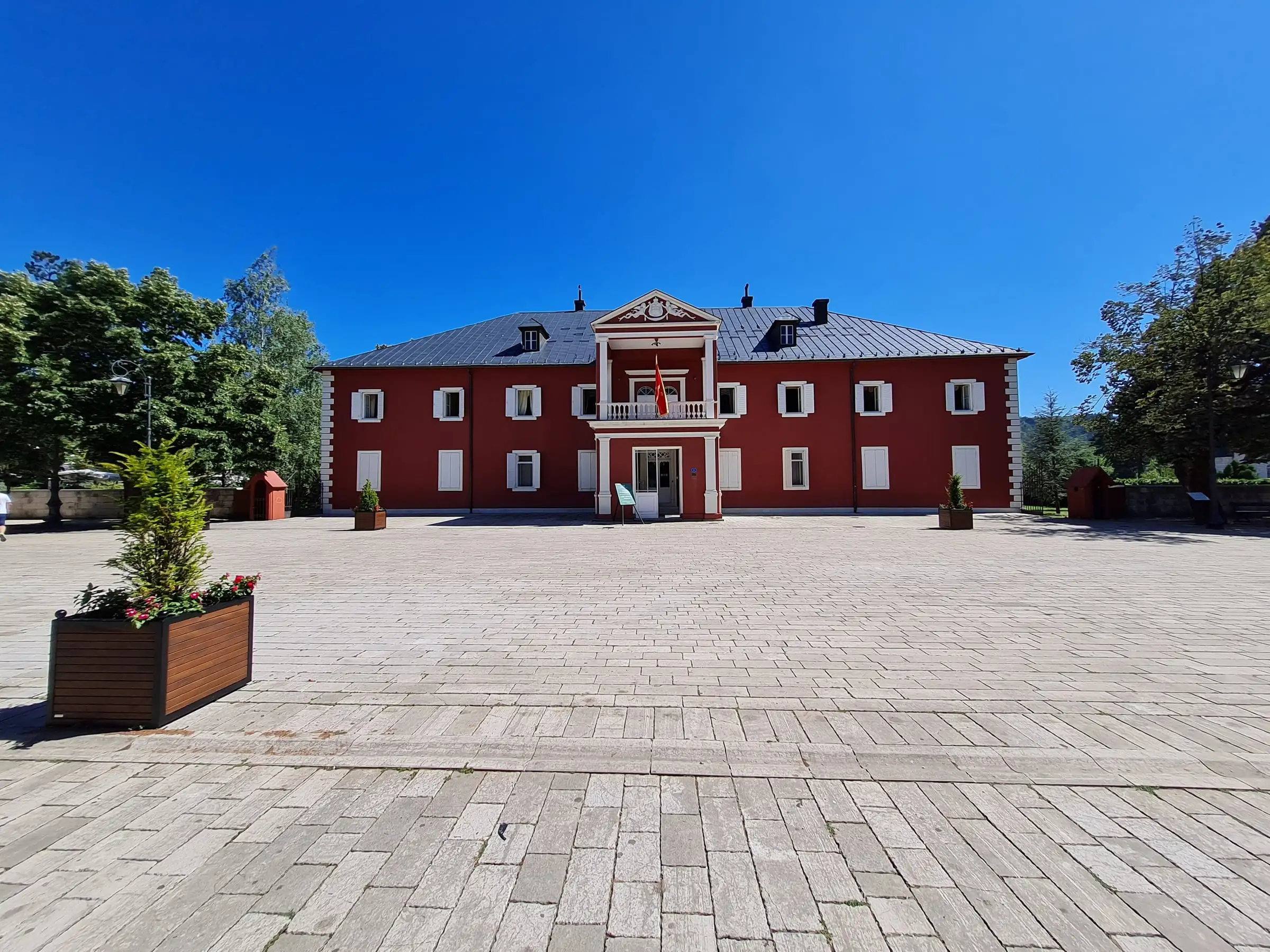
Cetinje
5–7 working days
Typical LLC registration time
over 600 million
Consumers covered by free trade agreements
2012
WTO member since
June 2017
NATO member since
Same rules for foreign and local owners
The Law on Foreign Investments gives foreign investors national treatment: they set up and run a business on the same terms as Montenegrin investors. Profits, dividends and capital can be sent abroad without restriction, and there are no exchange controls. Because the country's currency is the euro, a euro-based investor also carries no conversion risk on the way in or out.
For a hotel owner this covers the full life of the asset: paying dividends to a parent company, servicing a loan from a foreign lender, refinancing, and taking the proceeds of a sale out of the country. The wider legal framework is built to EU standards and World Trade Organization principles, and continues to converge as part of EU accession.
Choosing a vehicle
The Law on Companies offers foreign investors four main forms:
- Limited liability company (LLC). The most common choice: simple to run, a low minimum capital requirement, and liability limited to the company's assets. For a single hotel or resort, an LLC is the usual starting point.
- Joint-stock company. Suited to larger projects, or where the investor plans to raise capital from outside shareholders.
- Branch office. An extension of the foreign company, used where the investor wants direct control and only a light local structure.
- Representative office. The lightest presence, used for the same reasons as a branch.
A common pattern is to hold each hotel or resort in its own LLC, so that financing, security for lenders and an eventual sale can be handled one asset at a time. A joint-stock company becomes relevant when a project needs to bring in several equity partners or list. Branches and representative offices give a lighter footprint, but they are not separate companies, so they do not ring-fence the hotel from the parent's other business.
The choice affects how profits are taxed and paid out, so settle it together with the holding structure and the relevant tax treaty.
Partnering with the state
Many of the sites offered for tourism are state-owned, so the route in is often a long-term lease, a concession or a public-private partnership rather than a purchase. The Law on Public-Private Partnership sets the framework. The Montenegrin Investment Agency (MIA) approves PPP proposals, gives opinions to the public bodies that contract them, monitors delivery and keeps the register of approved projects. PPPs are used in tourism, infrastructure, energy and environmental protection. The leases, PPPs and concessions page explains how each route works.
Trade agreements and alliances
Montenegro has free trade agreements with the European Union, the CEFTA countries, EFTA and Türkiye, giving businesses based there preferential access to a market of over 600 million consumers. The guide's treaty chapter also lists an agreement with Ukraine. It has been a member of the WTO since 2012, which secures most-favoured-nation treatment, and of NATO since June 2017.
A hotel sells to visitors, not across borders, so trade access matters mainly on the cost side: importing furniture, fittings and equipment for a build or a refurbishment. NATO membership matters in a different way. The guide presents it as a source of political stability and security guarantees, both of which feed into how lenders and insurers judge country risk.
From registration to operation
Companies register through a single window. A standard LLC typically takes 5–7 working days once the documents are complete. Being able to trade takes longer: the company still needs a bank account, a beneficial-ownership filing, tax registration, employment registrations, and any licences specific to its sector, which for a hotel includes the permits to build and to operate.
The Montenegrin Investment Agency is the first point of contact. It offers pre-investment advice, introductions to the authorities that issue approvals, and aftercare once the investment is running. The investment process page sets out the steps in order.
Check before you rely on a site
A hotel project usually needs decisions from both central and municipal government. The points that most often need coordinating are spatial planning, verification of land title, environmental assessment, protection of cultural heritage, utility connections and construction permits.
The guide is explicit that listing a site or project does not confirm its title, planning readiness, permit status, commercial feasibility or availability. The same applies to every opportunity on this site. Before relying on a location or an incentive, commission your own legal, technical, tax and environmental due diligence. Our due-diligence checklist is a starting point.