Why Montenegro
A small euro economy that runs on tourism and foreign capital
Montenegro has 623,600 people, the euro as its currency and an economy in which tourism carries more weight than anywhere else in the Western Balkans. Five things make the case for a hotel investor, and each comes with conditions worth understanding.
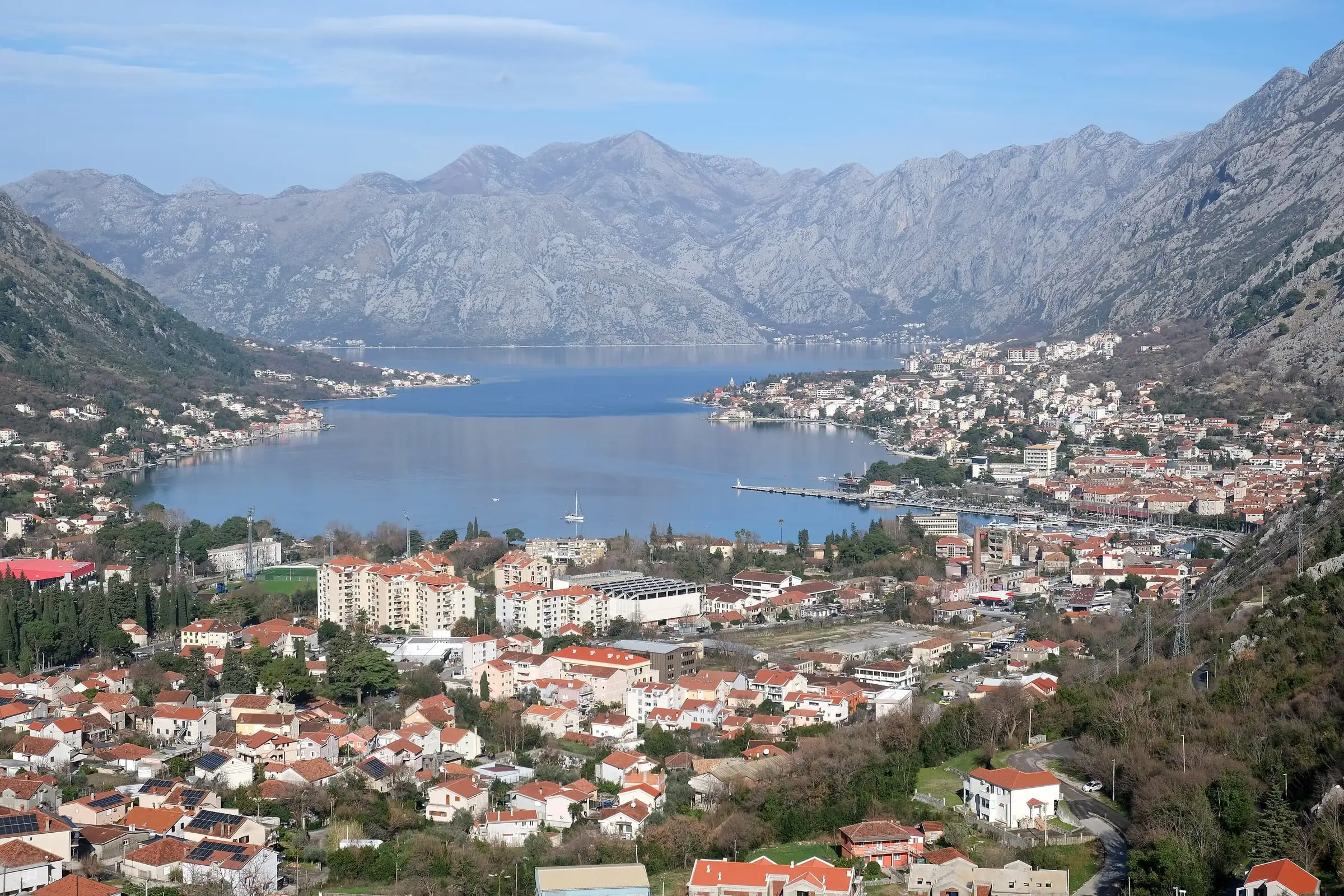
Bay of Kotor
7.6%
Average real GDP growth
15%
Top corporate income tax rate
18 of 33
EU negotiating chapters provisionally closed
€4.85bn
Cumulative FDI inflows
The case in brief
The euro. Montenegro uses the euro, so a European investor builds, borrows, sells rooms and pays staff in one currency. Foreign owners can take profits and capital out without restriction, and there are no exchange controls. Inflation, which spiked in 2022, was back to 3.9% in 2025.
Low tax, with extras for quality. Corporate income tax is progressive and tops out at 15%. Accommodation and food service carry a reduced VAT rate of 15% against a standard 21%. Hotels in priority tourist locations can cut annual property tax by up to 30% at four stars and up to 70% at five.
A path into the EU. Every negotiating chapter is open and 18 of 33 are provisionally closed, with membership targeted for 2028. The reforms that come with accession are already making the legal environment more predictable.
A proven record with foreign capital. Investors from more than 60 countries put €4.85bn into Montenegro in 2021–2025, much of it into coastal property and resorts. International hotel brands already operate here, and the branded room stock is set to grow by 20.3% on projects now under construction.
Tourism at the centre of the economy. Tourism earned about 45% of all exports in 2024, and the Government treats it as the main engine of growth. Policy, incentives and public investment in roads, airports and ski resorts are aimed at the sector.
The same features carry risks. Dependence on tourism makes the economy sensitive to swings in travel. The current account deficit is large, demand is concentrated in July and August, and coastal hotels compete for a thin pool of staff. The pages below set out both sides.
In this section
- Economy
Growth of 7.6% a year after the pandemic, now easing; inflation, public debt, the external deficit and a tight coastal labour market.
- Tax and incentives
Profit tax capped at 15%, reduced VAT on rooms and meals, and property-tax relief for four- and five-star hotels.
- Legal and company setup
National treatment for foreign investors, free repatriation of capital, company forms, PPPs and what to check before committing to a site.
- EU accession
All negotiating chapters open, 18 of 33 provisionally closed, and what alignment with EU law changes for investors.
- Foreign direct investment
€4.85bn of foreign investment in 2021–2025: where it comes from and where it goes.