Why Montenegro · EU accession
The furthest along of the Western Balkan candidates
The European Commission rates Montenegro as the most advanced candidate for EU membership, and the Government is aiming to join in 2028. For investors the important part is already happening: Montenegrin law is being rewritten to EU standards before membership, not after it.
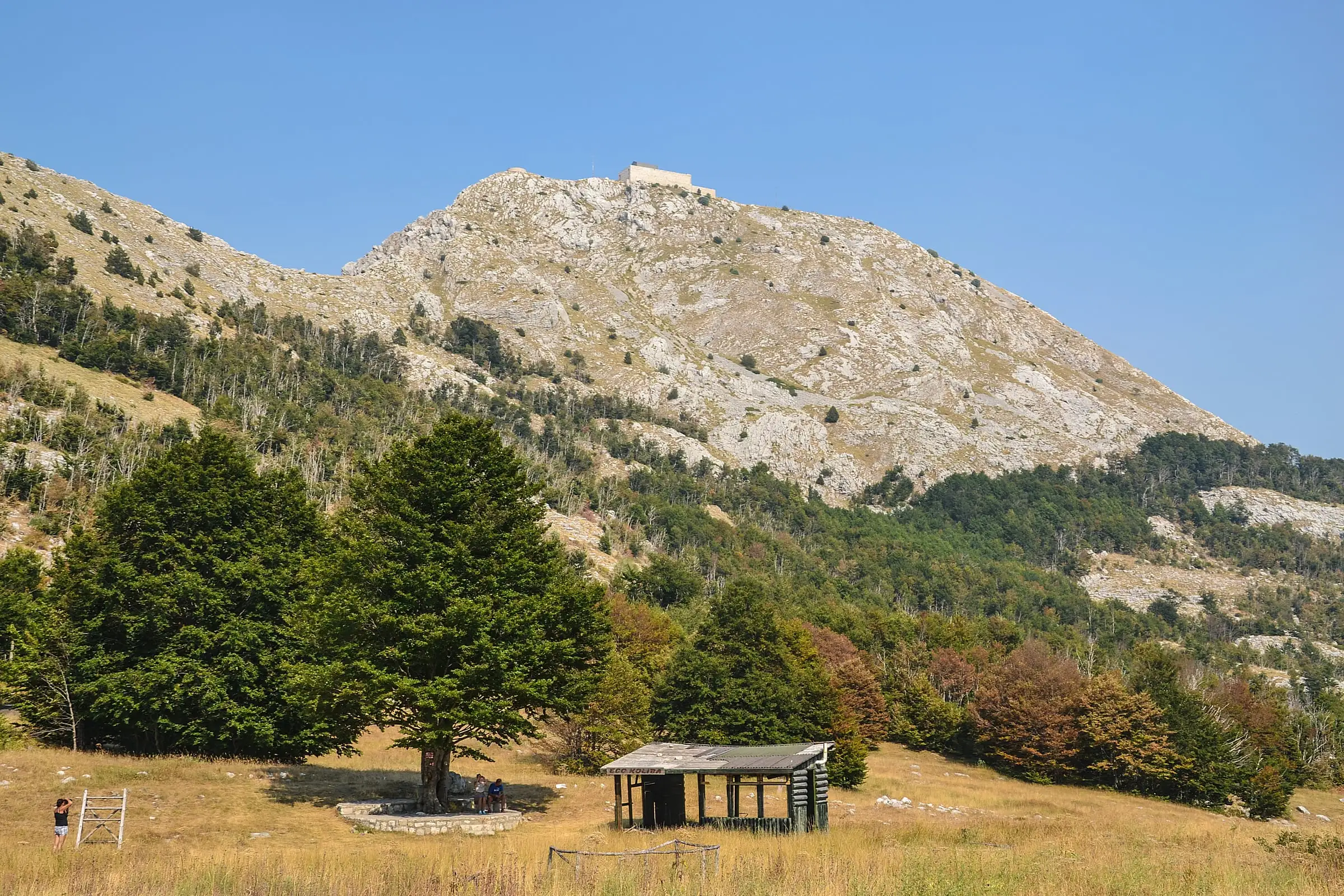
Lovćen National Park
2012
EU accession negotiations opened
33 of 33
EU negotiating chapters opened
18 of 33
EU negotiating chapters provisionally closed
2028
Target year for EU membership
Where the negotiations stand
Montenegro opened accession talks in 2012. Negotiations are split into chapters, each covering one area of EU law. As of July 2026, Montenegro had opened every chapter (33 of 33) and provisionally closed 18 of 33. The authorities aim to close every chapter by end-2026 and to join the EU in 2028. The European Commission's 2025 enlargement package described Montenegro as the most institutionally advanced of the candidates.
Provisional means provisional
A provisionally closed chapter can be reopened if Montenegro stops meeting the benchmarks attached to it. The membership date is the Government's target, not a commitment by the EU, and it depends on all member states ratifying the accession treaty. Plan for the reforms, not for a date.
What alignment changes for investors
Accession is less a single event than a long process of adopting EU rules. Several of the areas being aligned bear directly on a hotel investment:
- Free movement of capital. EU rules on capital movement lock in the ability to bring money in and take it out, which Montenegrin law already allows today.
- Company law and financial services. Corporate governance, disclosure and banking supervision move toward rules that European lenders and investors already work with.
- Public procurement. Tenders for concessions, leases and PPPs on state land become subject to EU standards of transparency and challenge.
- Competition and state aid. Incentives must fit EU state-aid rules. The criteria for direct investment grants have already been tightened for this reason, so expect reliefs to become more rules-based and less discretionary.
- Customs and the rule of law. Customs procedures converge with the EU's, and reforms of the judiciary aim at faster, more predictable courts, which matters for enforcing contracts and settling land disputes.
The sum of these changes is more legal certainty and more predictable administration. For a long-lived asset such as a hotel, where the investor is exposed to the host country for decades, that is worth more than any single tax break.
What happened to earlier candidates
The guide points to research showing that the prospect of EU membership lowers perceived country risk and draws in capital well before a country actually joins. It cites Romania and Bulgaria, which saw a substantial rise in foreign direct investment in the years before they joined in 2007, as their rules converged and investor confidence grew. Croatia followed a similar path, with the accession process also opening access to EU financial instruments.
These are useful precedents, not a forecast. Each of those economies was larger and more diversified than Montenegro, and the gains depended on reforms actually being carried through. Montenegro already attracts more foreign investment per resident than its neighbours, so the accession effect would add to an existing flow rather than start one.
EU money that comes with the process
Meeting EU standards requires heavy public investment in transport links, environmental infrastructure, energy, digital public services and border management. Alongside that, reforms continue in the judiciary, financial supervision, competition policy and customs.
Much of this is backed by the EU's Growth Plan for the Western Balkans and its Reform and Growth Facility, which releases EU funding as agreed reforms are delivered. For hotel investors the practical result is better roads, railways, water and waste systems around the sites they are considering, paid for largely from outside the project. See infrastructure for what is being built.
What to watch
Three signals are worth following. The first is the pace of chapter closures against the Government's own timetable: a stalled count is an early sign that the membership date will slip. The second is the rule-of-law chapters, which cover the judiciary and fundamental rights and are usually the last to close; progress there says most about how disputes over land or contracts would be handled. The third is the European Commission's annual country report, which sets out where alignment is lagging.
For a hotel project, plan on the rules that are coming as well as those in force. EU-style environmental assessment, procurement and state-aid discipline will apply to projects that are still in design today. Incentives granted now may need to fit EU rules later, so ask how any relief you rely on would be treated after accession.