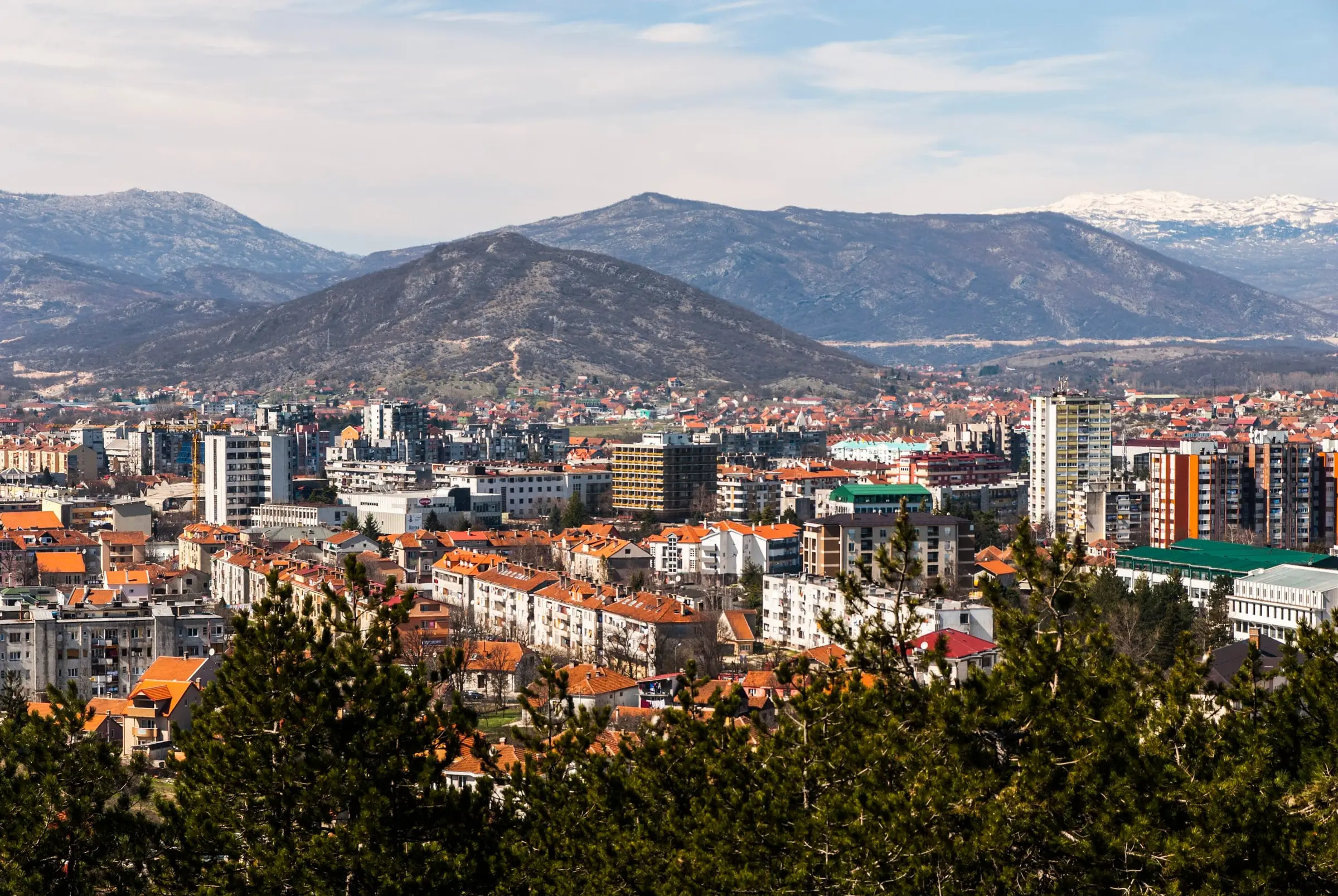
OPP-NK-02 · Nikšić
Nikšić UP 4 and UP 5 gateway hotel
CentralCityPlanning set
- Area
- 6,161 m²
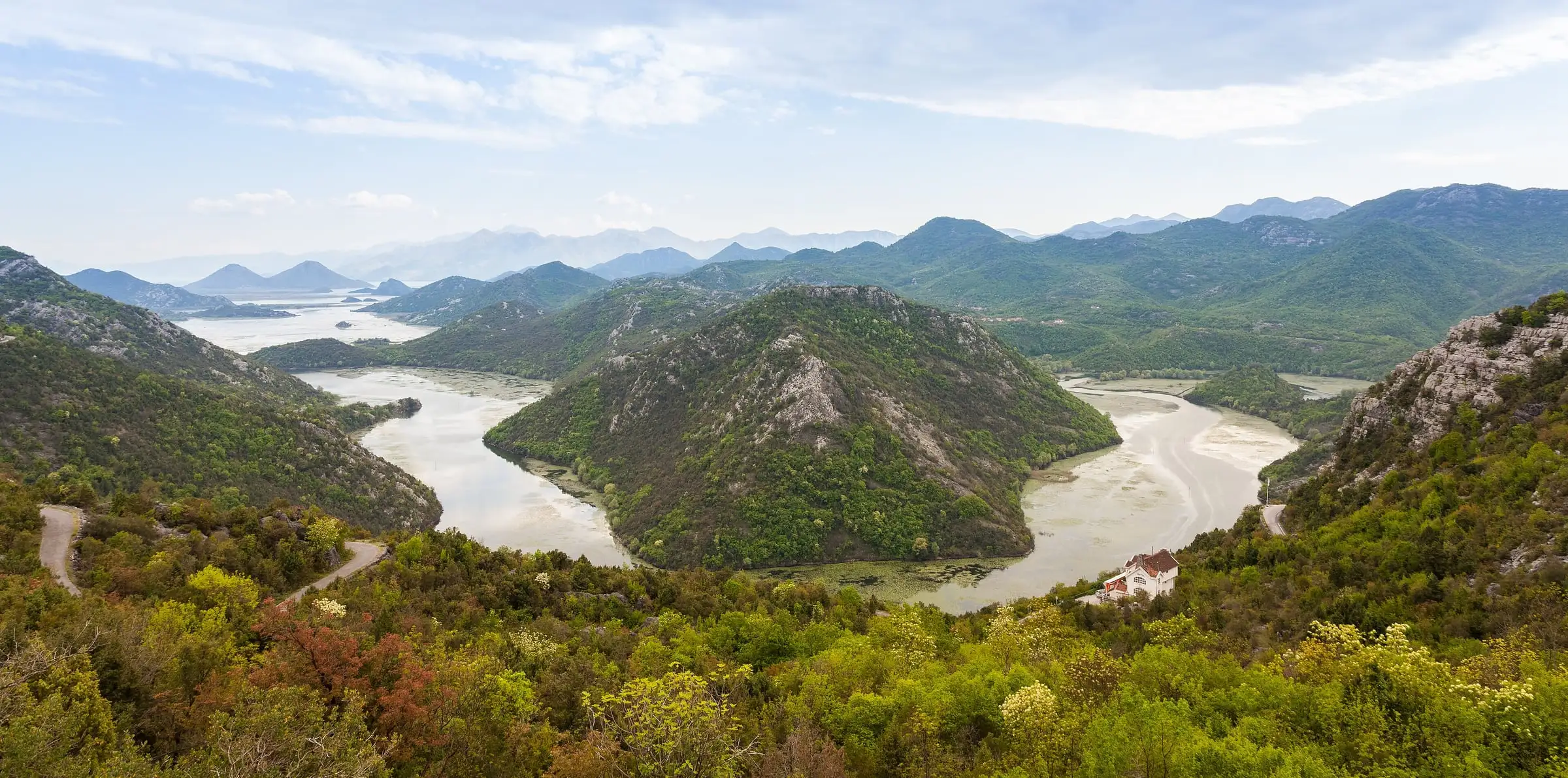
Regions · Central
The central region is Montenegro's administrative and business core: Podgorica, the capital, and Nikšić, the second city. It has little leisure hotel supply but the main airport, the start of the motorway north and the largest urban development programmes in the portfolio.
Skadar Lake
64
Accommodation establishments, central region
3,959
Beds, central region
8.6%
Unemployment, central region
3.1 million
Passengers through Podgorica and Tivat airports
The guide counts four municipalities in the central region, anchored by Podgorica and Nikšić. Between them they had 64 categorised accommodation establishments, with 1,641 rooms and 3,959 beds, in May 2026. That is 11.96% of the country's establishments but only 3,959 of its 52,397 beds: the centre's hotels are mostly small, and there is very little resort stock.
Demand here is different from the coast. It comes from government, business and institutional travel, sport, culture and events, with a much flatter season. The Government's strategy for the next tourism cycle names conference and events tourism (MICE) among its priorities, and the centre is the natural place for it. Nikšić adds an outdoor dimension: the Trebjesa forest park, the Vučje ski area and the Krupac, Slano and Vrtac lakes are all close to town, and its amended Spatial-Urban Plan of 2024 favours higher-quality urban hotels with congress, wellness and sports facilities.
Unemployment in the central region was 8.6% in 2025, between the coast's 6.7% and the north's 19.6%, and close to the national rate of 10.7%. As the capital and largest city, Podgorica gives a year-round city hotel a deeper labour pool than a seasonal resort can draw on. Nikšić–East is one of the six strategic business zones, where employers can claim payroll relief on new hires; see business zones.
Podgorica airport is one of the country's two international airports; together with Tivat it handled 3.1 million passengers in 2025. In 2026 Wizz Air opened a base there, adding 14 new routes. New rules on public service obligations in air transport are meant to protect year-round connectivity.
The first section of the Bar–Boljare motorway, 40 km long, runs from Podgorica to Kolašin and puts Kolašin and its ski resort within an hour of the capital. The Bar–Belgrade railway passes through Podgorica, and the main road to Bar and the coast leaves from its southern edge. Nikšić sits on the road between Podgorica, the coast and the north, which is why the guide treats it as a gateway city.
Podgorica is in the central region but is treated differently by the incentive rules. Tourism Development Zones, the investor-led route to a long-term lease of state land, apply in the northern and central regions except the Capital City. And the condo-hotel model groups the Capital City with the coast: units can only be sold in a hotel of at least five stars there, against four stars in the rest of the centre. Nikšić, by contrast, falls under the inland rules for both.
That does not make every Nikšić site a zone candidate. A zone needs at least one hectare of state land, and the Nikšić UP 4 and UP 5 gateway hotel plots cover 6,161 m² together, so a lease from the municipality is the realistic route there.
Podgorica's large sites therefore reach investors through leases and public-private partnerships rather than zones. The guide links PPP explicitly to the large urban projects in the Capital City.
None of the guide's flagship projects is in the central region; the proven track record is on the coast and, with Kolašin 1600, in the mountains. What the centre offers instead is planning-led urban development: new districts in which hotels, conference and wellness facilities are one component among offices, housing and public services. For a hotel investor that means negotiating with a public master programme rather than buying into an established resort.
The current sites are in the Capital City and in Nikšić. Other sites in the region may be added once the review of their ownership and planning status is complete.
OPP-NK-02 · Nikšić
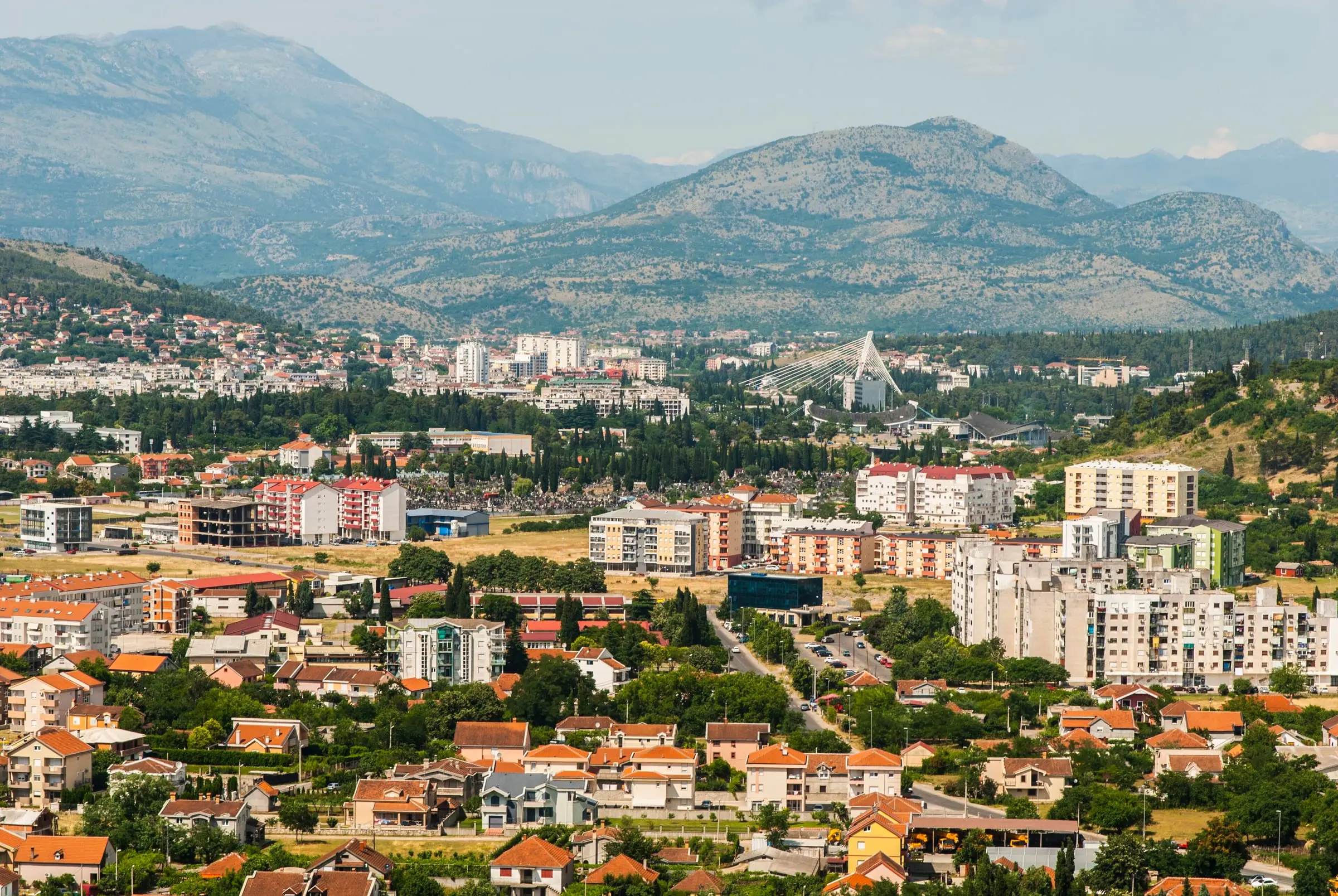
OPP-PG-01 · Podgorica
OPP-PG-02 · Podgorica
Inclusion does not confirm title, planning readiness, permitting status, commercial feasibility or availability. Use the due-diligence checklist before relying on any site.
We collect the planning documents, parcel data and the right contacts at the Ministry of Tourism, the Montenegrin Investment Agency and the municipality, and run those conversations in parallel with you.
We reply within one business day. Prefer email? Write to hello@montenegroinvest.com.